KERI LEIGH MERRITT, PH.D.
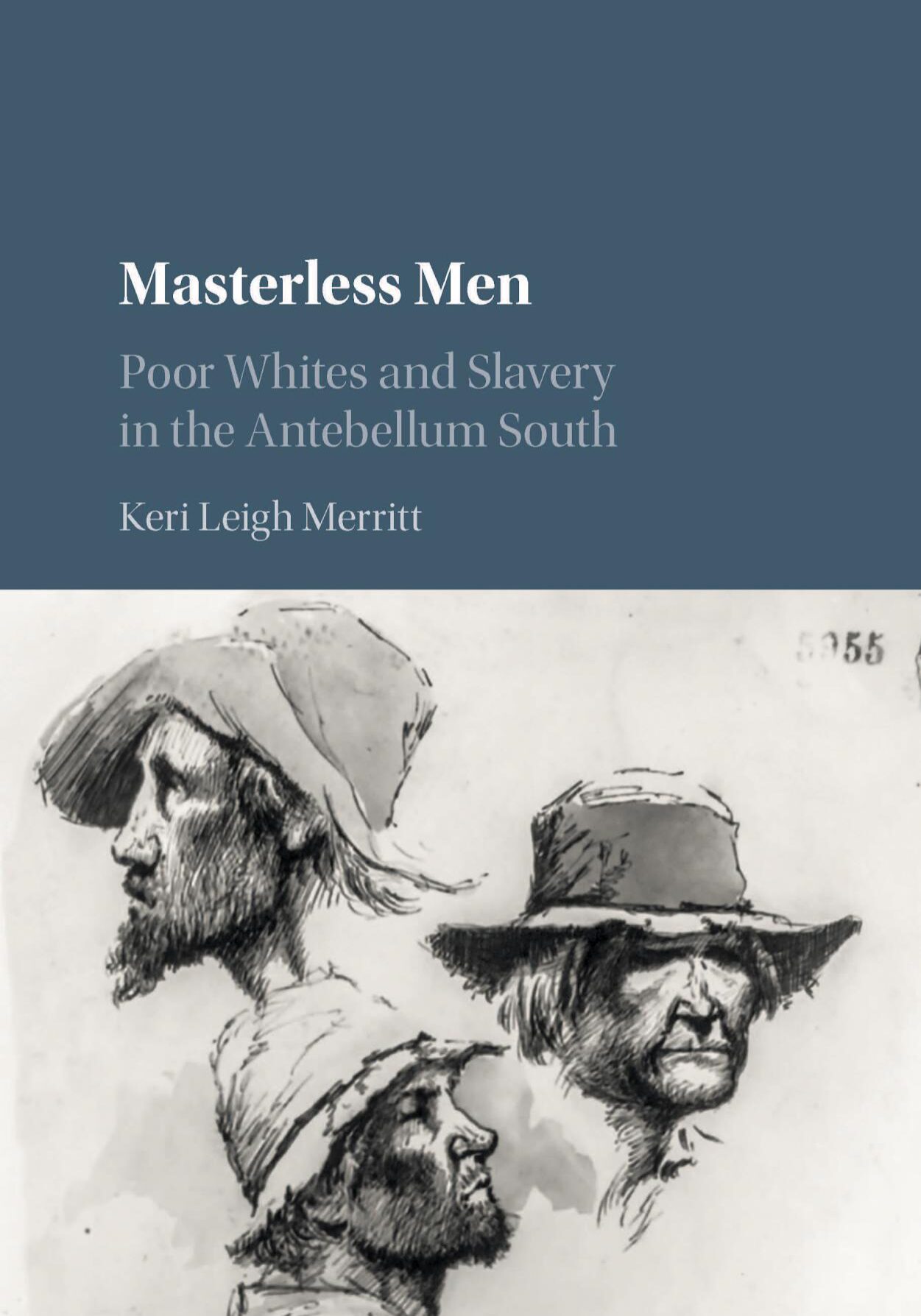
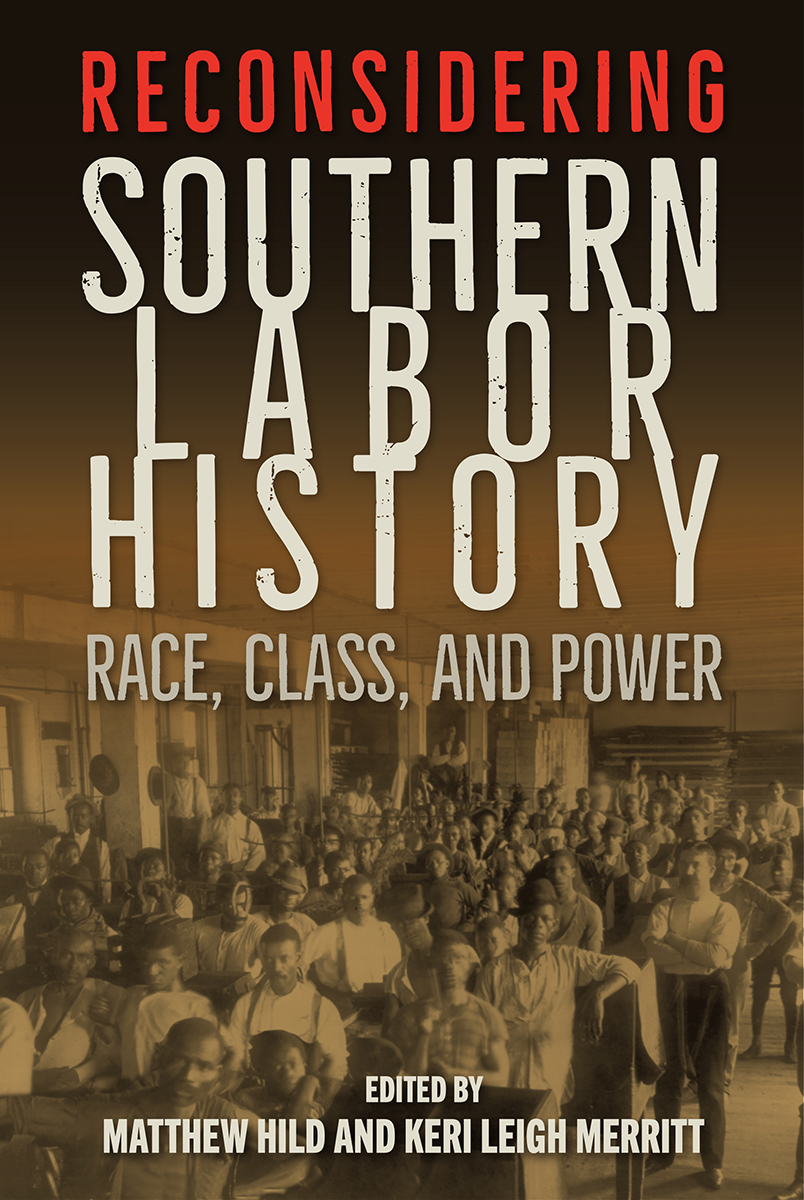
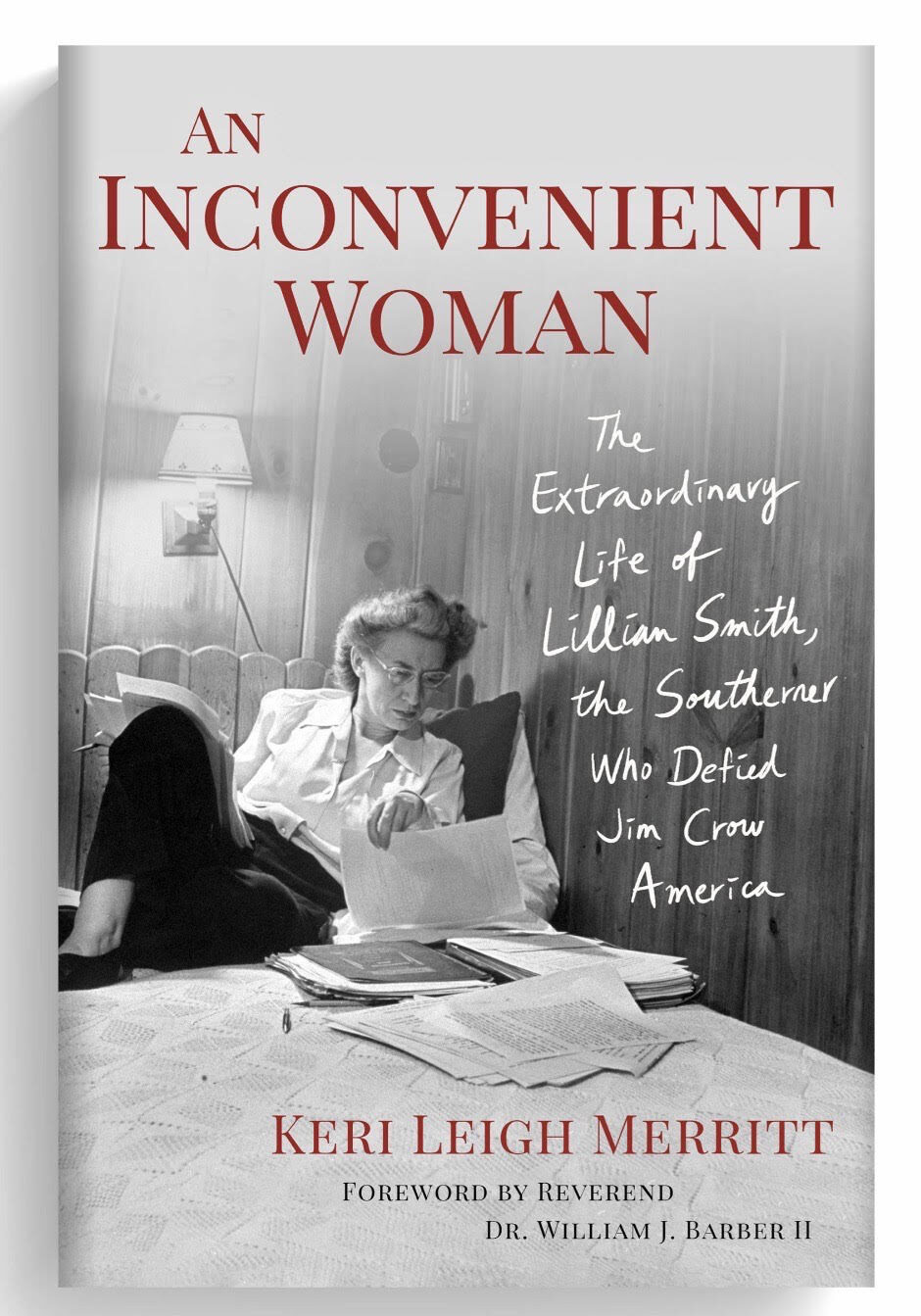
Keri Leigh is a historian and writer. Her first book, Masterless Men: Poor Whites and Slavery in the Antebellum South, won both the Bennett Wall Award from the Southern Historical Association as well as the President’s Book Award from the Social Science History Association. She has co-edited several other books, including After Life: A Collective History of Loss and Redemption in Pandemic America, and her articles have appeared in outlets from Smithsonian and Aeon to The Hill and CNN. Her latest book, An Inconvenient Woman: The Extraordinary Life of Lillian Smith, the Southerner Who Defied Jim Crow America, is a revelatory biography of a white Southern woman who was a key figure in the early civil rights movement.
New Release
A revelatory and immersive biography of a white Southern woman who was a key figure in the early civil rights movement, devoting her life to ending segregation in America only to be forgotten by history.
Born in Florida to a religious family, Lillian Smith (1897-1966) was a white Southern woman living in the Jim Crow South who defied all stereotypes: She lived with her lover, Paula, first running a summer camp in the foothills of the Appalachian mountains, and then a magazine, devoted to creating a new vision of the South, one that passionately championed equality and integration. Smith published Black and white writers, a rare feat in those days, and herself wrote articles instructing white Southerners on why they shouldn’t support segregation—Smith firmly believed racism hurt white Americans, too. In 1944 she published a bestselling novel, Strange Fruit, which became a national sensation and was banned in Boston and Detroit. The FBI began a file on her, she received death threats, and her house caught fire three times, twice intentionally, resulting in the loss of all her works-in-progress and her correspondence. Undaunted, she continued her ardent fight against segregation, maintaining correspondence with some of the great leaders of her day, including Eleanor Roosevelt, Martin Luther King Jr, W.E.B Dubois, Paul Robeson, and Pauli Murray. She continued to fight for both civil and human rights throughout the 1960s, helping nurture many of the activists in SNCC and CORE, only to succumb to cancer in 1966.
Merchandise
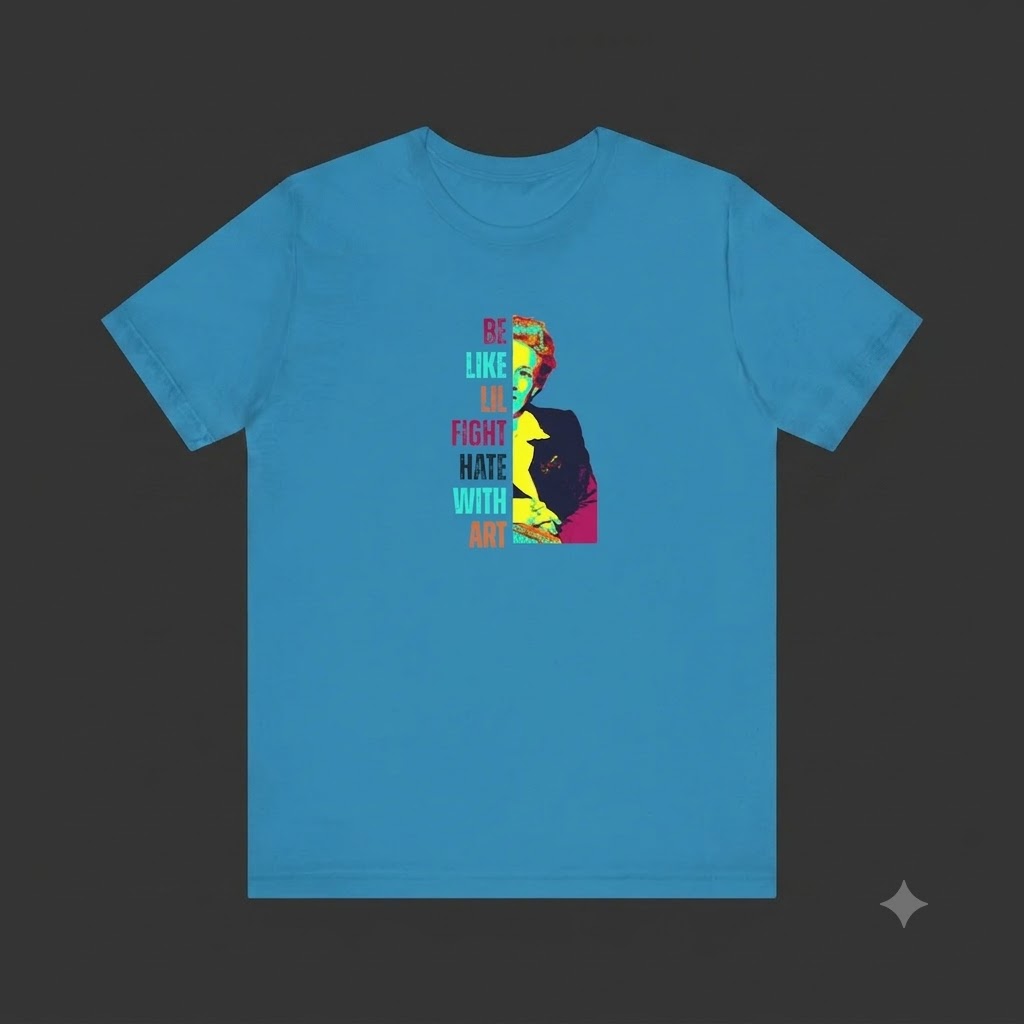
A Partnership with Y'all Ain't Right



Books by Keri Leigh Merritt